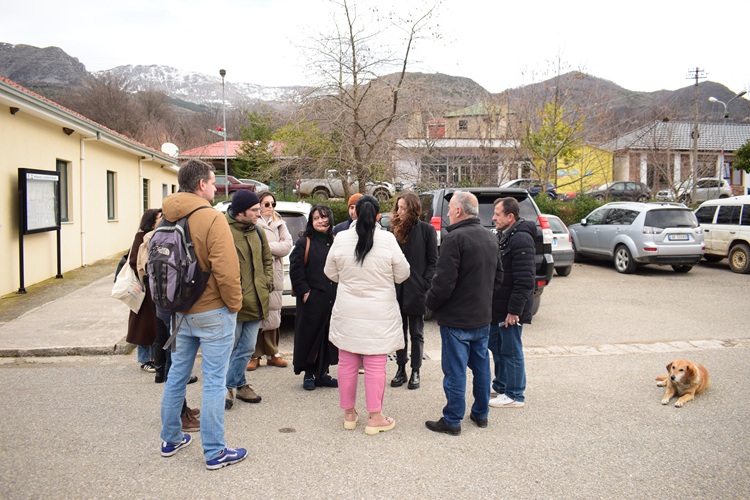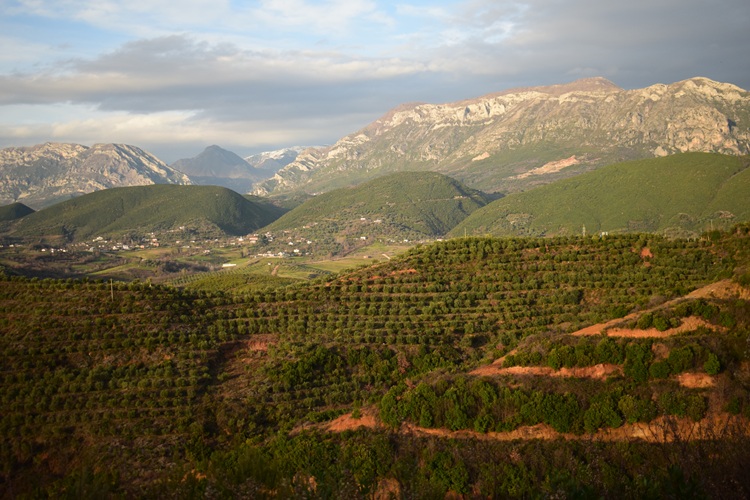
From 2 to 6 February 2025, the Avitem team carried out a mission to Tirana as part of the project F.E.A.S.T. and the project WATERADAPT.The objective was to meet with local stakeholders, visit farms and analyse the agricultural, water and urban challenges facing the metropolis.
The mission highlighted the importance of combining local expertise and international best practices to support the sustainable development of the Tirana-Durrës metropolitan area.
The mission provided an opportunity for exchanges with the Municipality of Tirana, the AFD office in Tirana, the Deutsche Gesellschaft für Internationale Zusammenarbeit in Albania, the European Union Delegation in Albania, the French Embassy in Albania, the Albanian National Agency for Territorial Planning (AKPT), and the Rector of the Faculty of Urban Planning and Architecture at the Polytechnic University of Tirana (Universiteti Politeknik i Tiranës).
Next event: the Tirana Metropolitan Seminar
Join us from 1 to 5 June 2026 for the immersive Metropolitan Seminar in Tirana, which will combine real estate, urban and territorial approaches for an integrated analysis of the transformation of the Tirana–Durrës territory.
Register now for the Seminar
The mission day by day
Day 1: Understanding Tirana’s agricultural and water issues
The first day began with a workshop on agricultural issues in the Tirana metropolitan area, highlighting several challenges:
- Rapid urbanisation, which is reducing agricultural land close to the city, despite the protections provided by the local urban development plan.
- Low levels of mechanisation, farms that are too small and difficult working conditions, limiting competitiveness on national and European markets.
- A crisis of vocation: younger generations are leaving the countryside due to a lack of training and prospects.
- Low agricultural incomes, linked to marketing difficulties and low value-added products.
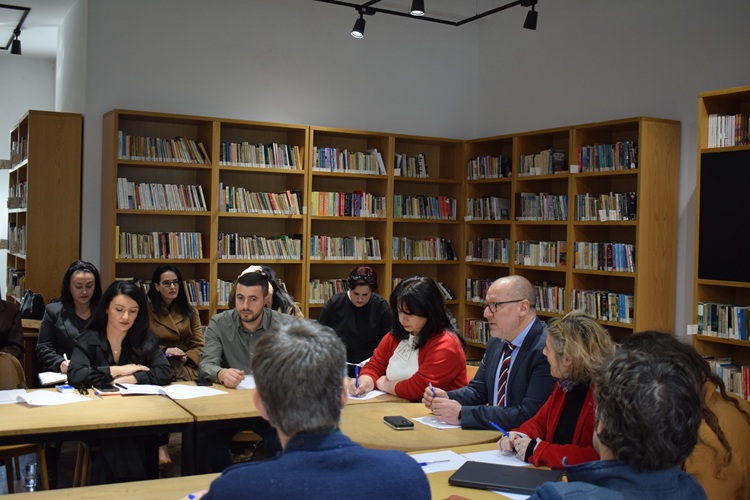
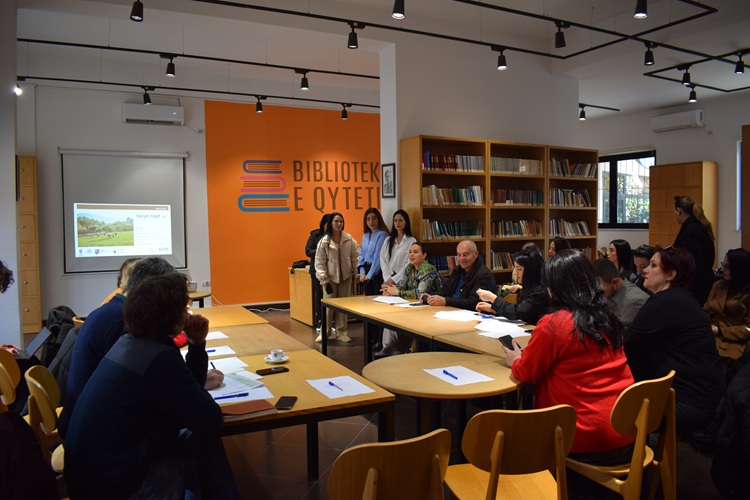
The example of a 360-hectare agri-park in Marseille, presented by expert Guillaume Morel-Chevillet (Institut du Végétal, Astredor), showed that it is possible to protect fertile land in urban areas while supporting traditional agricultural practices.
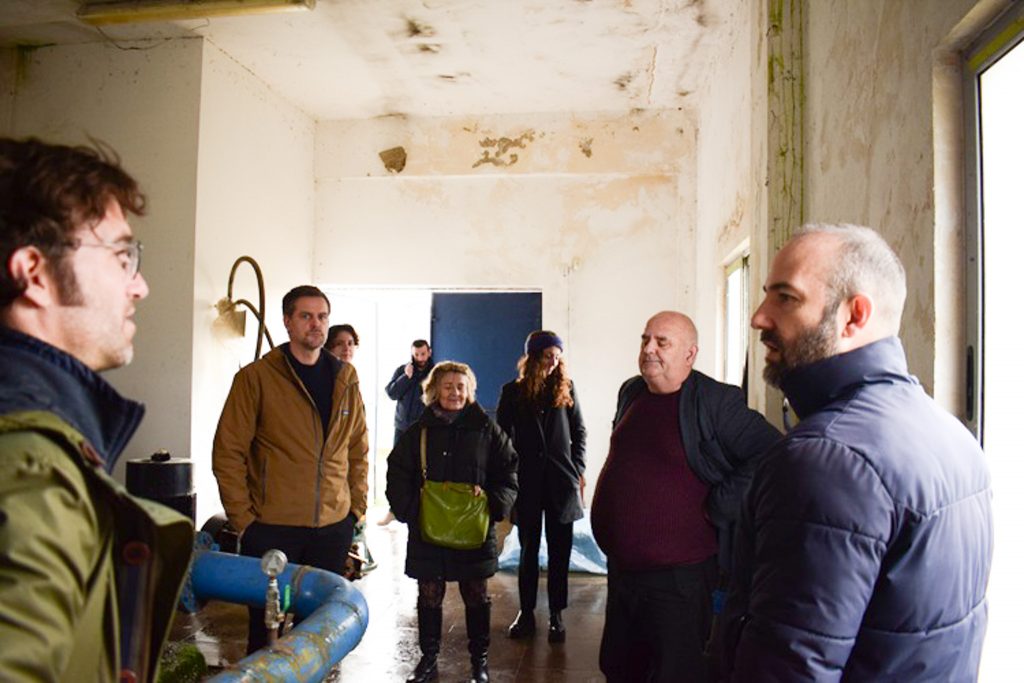
The afternoon of this first day was devoted to visiting a water pumping system, which is socially and ecologically useful and provided an opportunity to observe the gradual urbanisation of agricultural land.
Day 2: Meeting the farmers of Saint-Georges
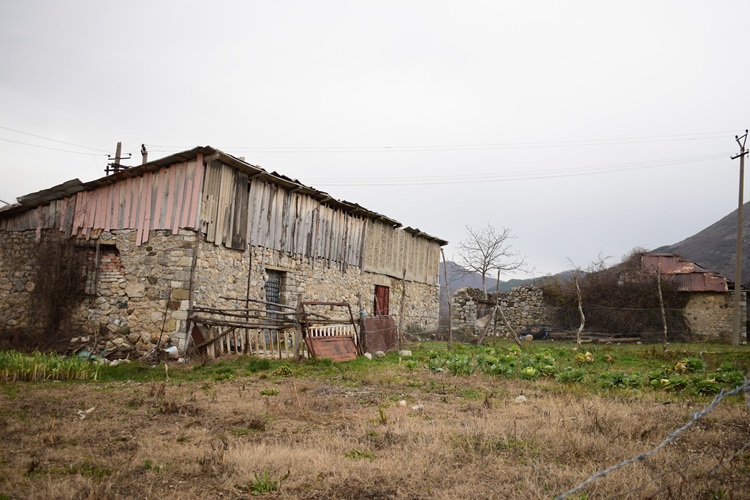
The second day was devoted to field visits. The visit to the village of Saint-Georges, located about 1 hour and 15 minutes from Tirana, provided an opportunity to talk to farmers who confirmed the observations made the previous day: low mechanisation, limited plots, modest incomes and highly seasonal production.
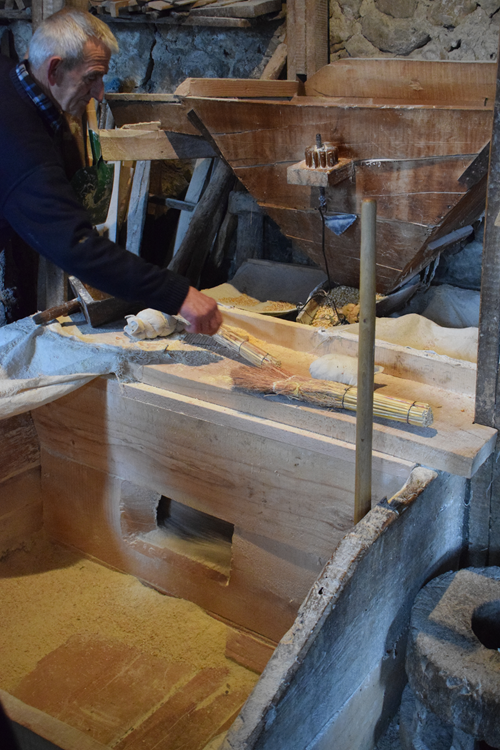
Nevertheless, the village has potential for agri-tourism development: existing farm sales, hiking trails and local heritage. However, infrastructure, such as narrow roads, limits large-scale tourism development. Promoting local products, particularly the water mill, remains an important challenge.
Saint-Georges also enjoys good visibility thanks to an annual cultural event, the Tomato Festival, as well as its local products, including a variety of tomato grown exclusively on site.
On the way back to Tirana, the team also visited a farm on the outskirts of the city. The farmer, who was well organised in his marketing channels, was earning a decent income but was concerned about the takeover of his land after his retirement, illustrating the issue of the transfer of agricultural practices.
Day 3: Review and outlook for the F.E.A.S.T. project
The priorities identified were:
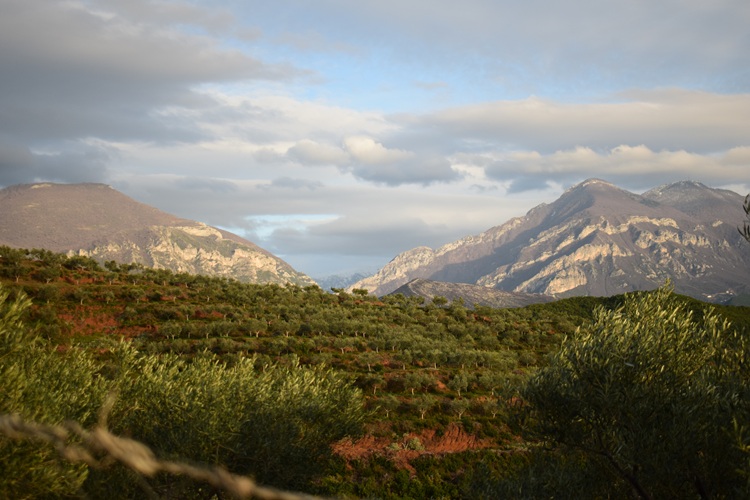
- To study one or more iconic sectors (olive oil, cheese) in order to promote traditional practices using educational materials.
- To carry out an agronomic analysis on the adaptation of these practices to organic and European standards with a view to the process of accession to the European Union.
- To identify agrotourism circuits that would promote the production areas.