
FIRST MILE Practices Compendium & Toolbox
After almost 3 years of collaboration, experimentation, and learning, the FIRST MILE project is releasing of its Practices Compendium and Toolbox.
These operational tools are the result of careful monitoring and evaluation of more than 80 companies engaged in the FIRST MILE journey, in Norway, Slovenia, Italy, and France.
A Compendium of sustainable practices for real impact
A source of inspiration to make sustainable development accessible to SMEs in the tourism sector.
Designed by Open Tourisme Lab to help tourism SMEs bridge the gap between sustainability intentions and concrete action, this compendium presents 30 inspiring and replicable practices.
These are low-cost, high-impact initiatives based on behavioral science that fit seamlessly into daily operations:
- Practical behavioural tactics tested in real tourism settings
- Solutions aligned with 8 key sustainability priorities
- Clear insights into the business and sustainability benefits
Examples of practices and their impact
Improve waste management
85% reduction of non-recyclable waste per guest
Smart-use energy
–21.2% electricity cost reduction
Smart-use water
+30% improvement in guest satisfaction
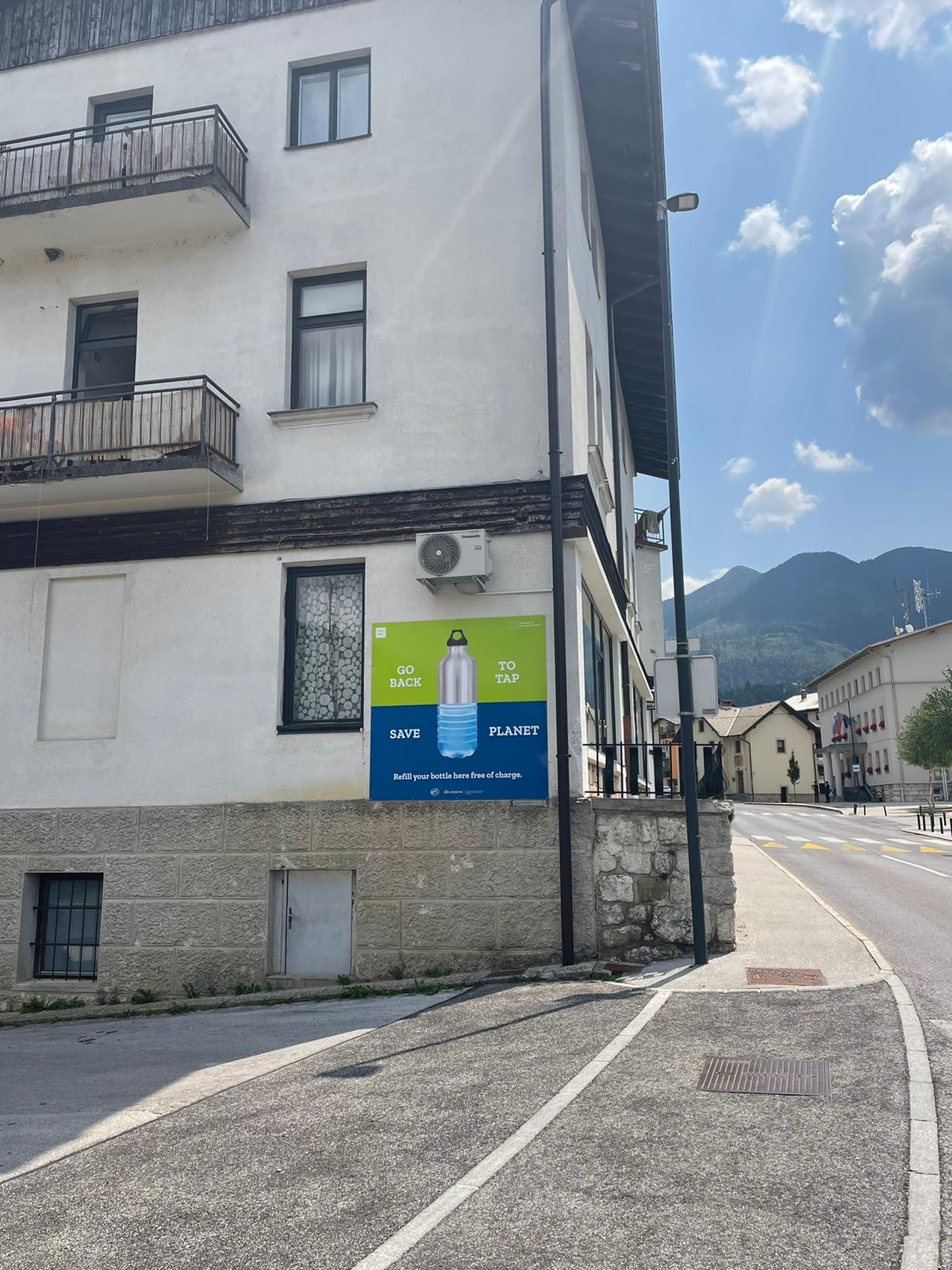
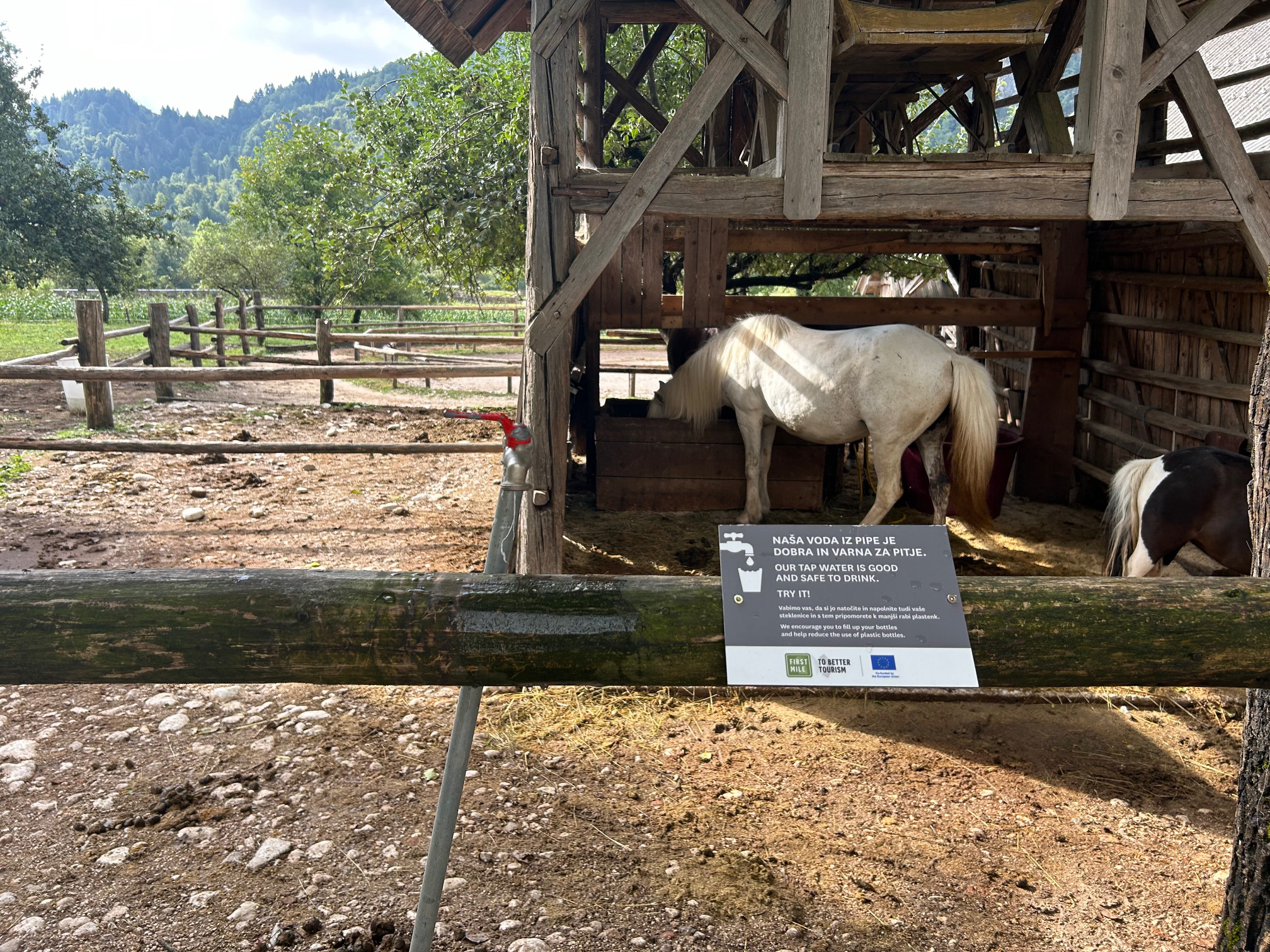
Reduce single-use plastic
–100% plastic bottle use
Reduce food waste
75% reduction of food waste
Improve visitor flow management
100% of guests visited at least one less known place
Promote local food
+11% Overnight guests choosing to eat dinner
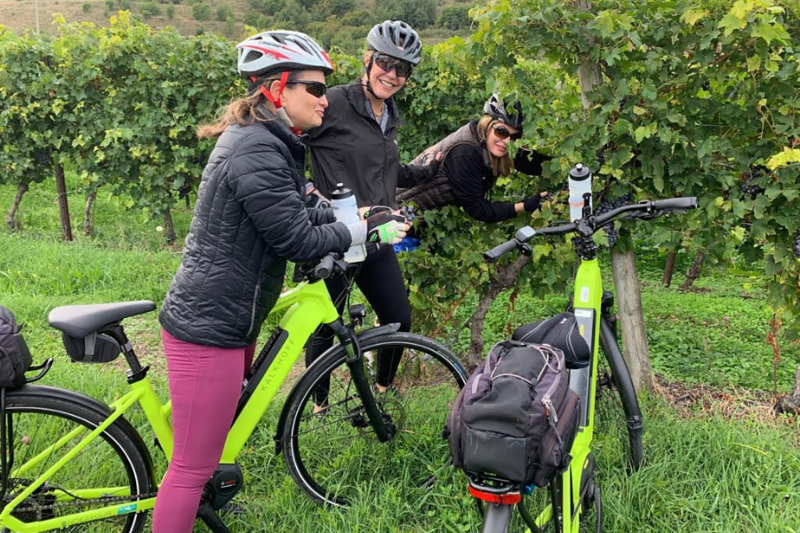
Smart mobility
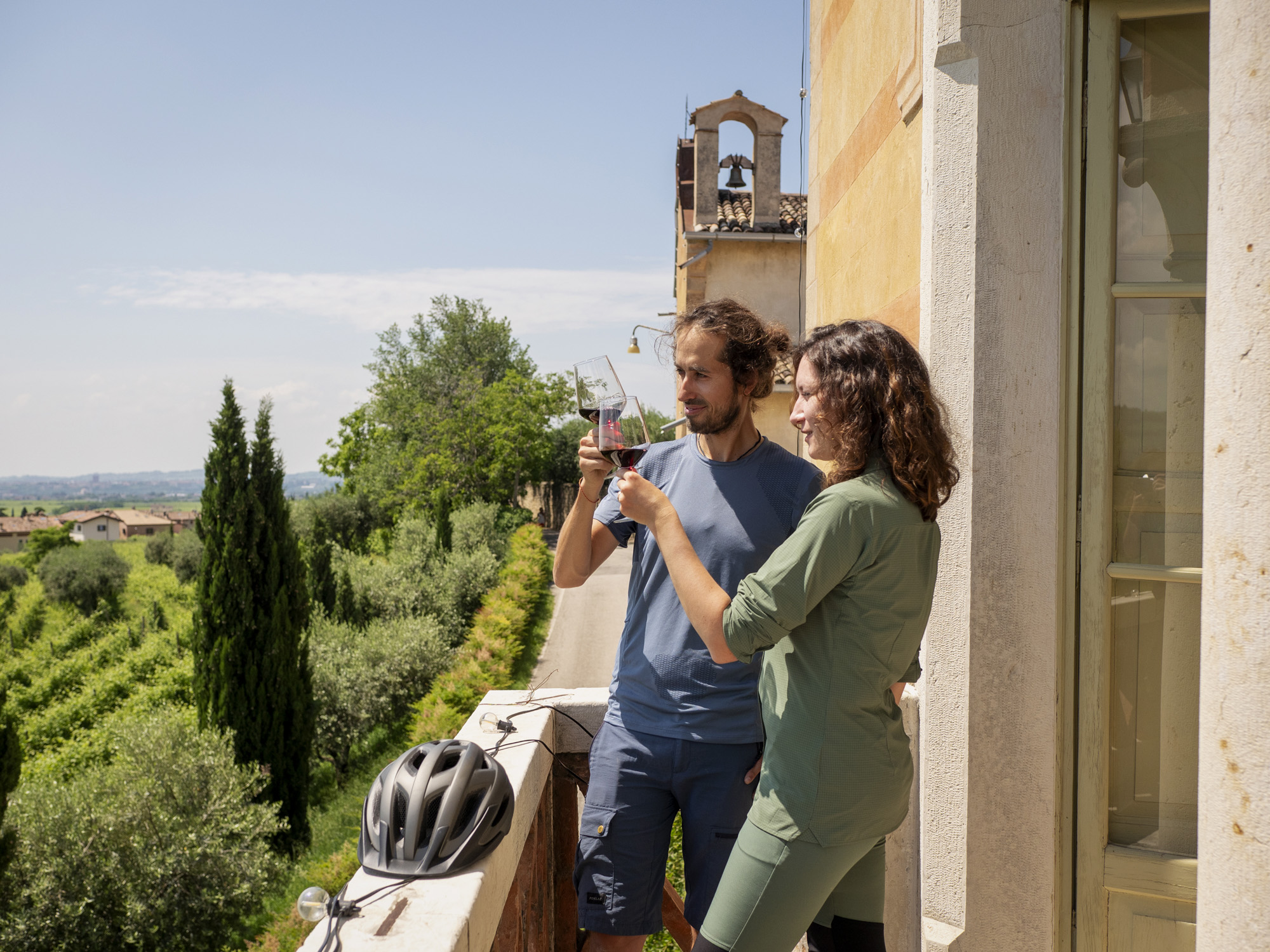
30% more families used bikes during their stay
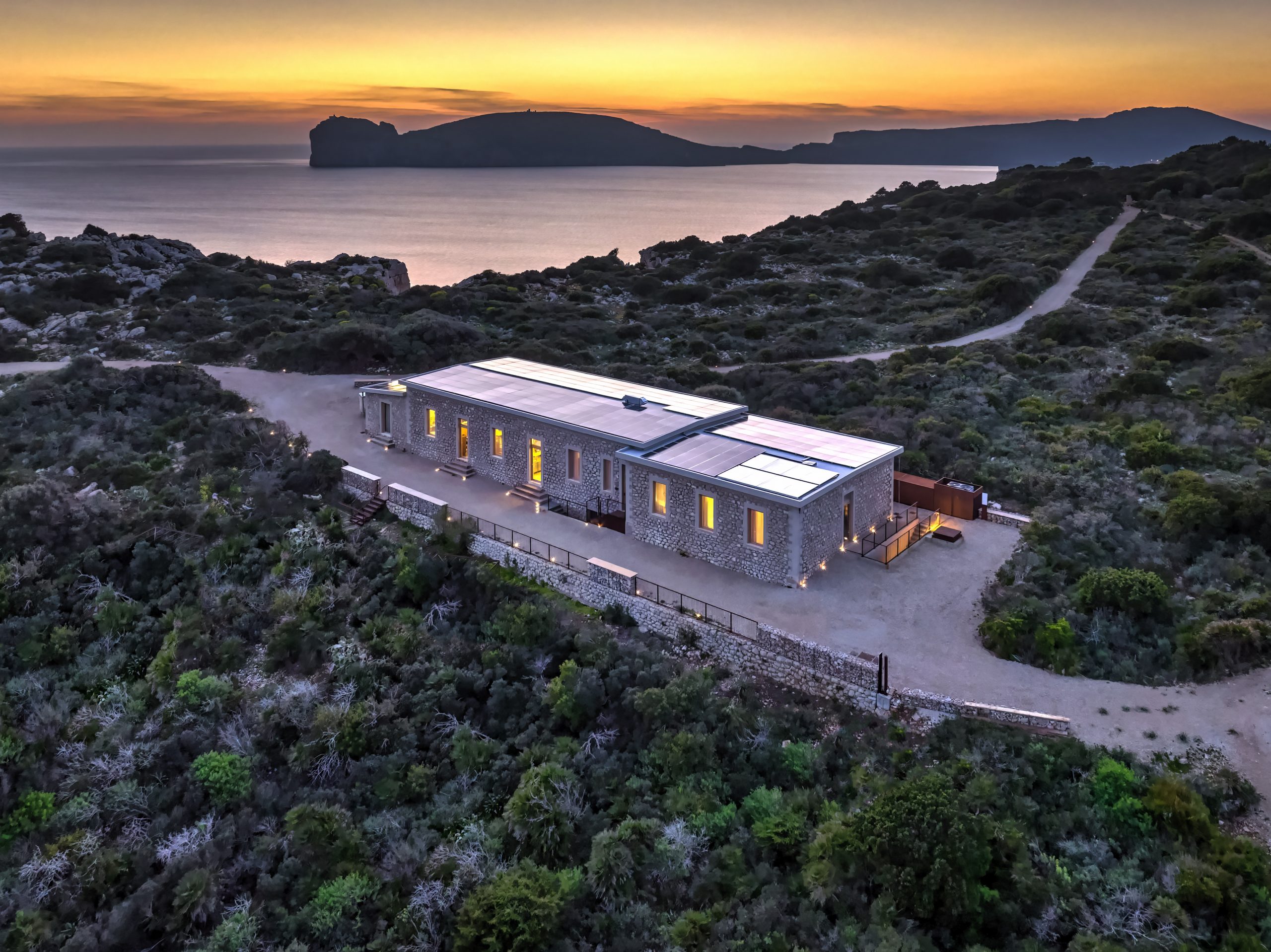
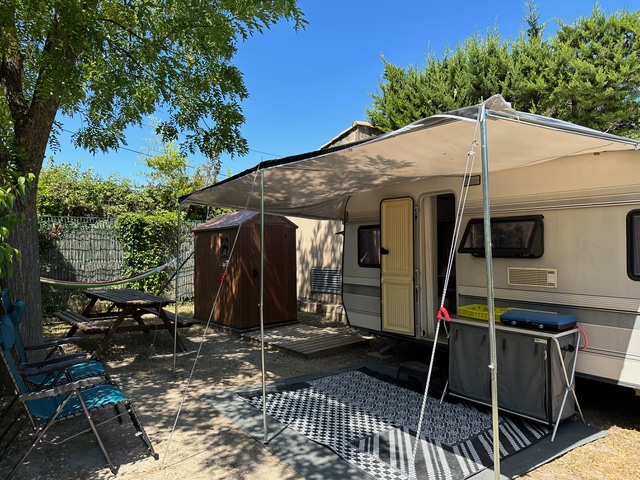
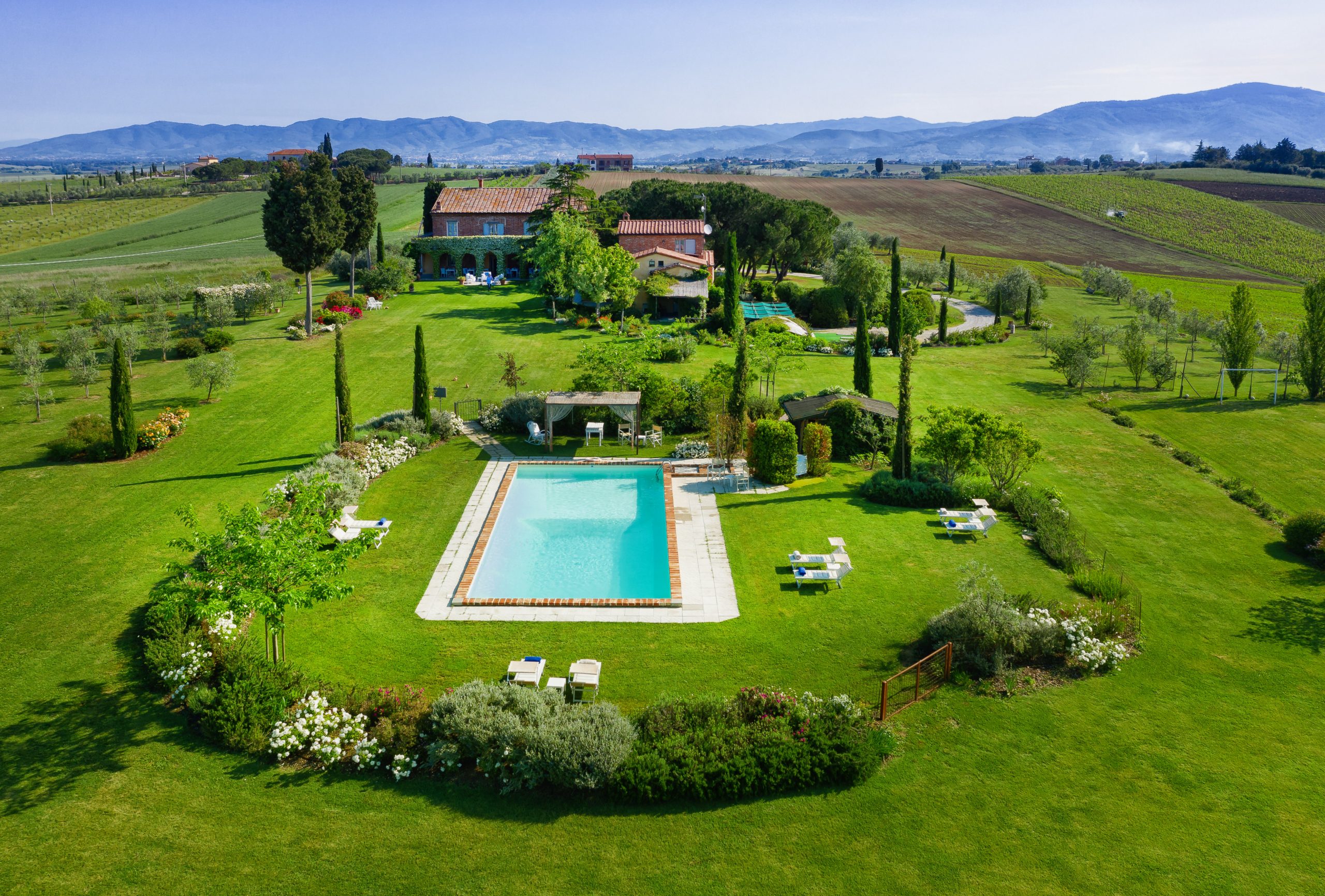
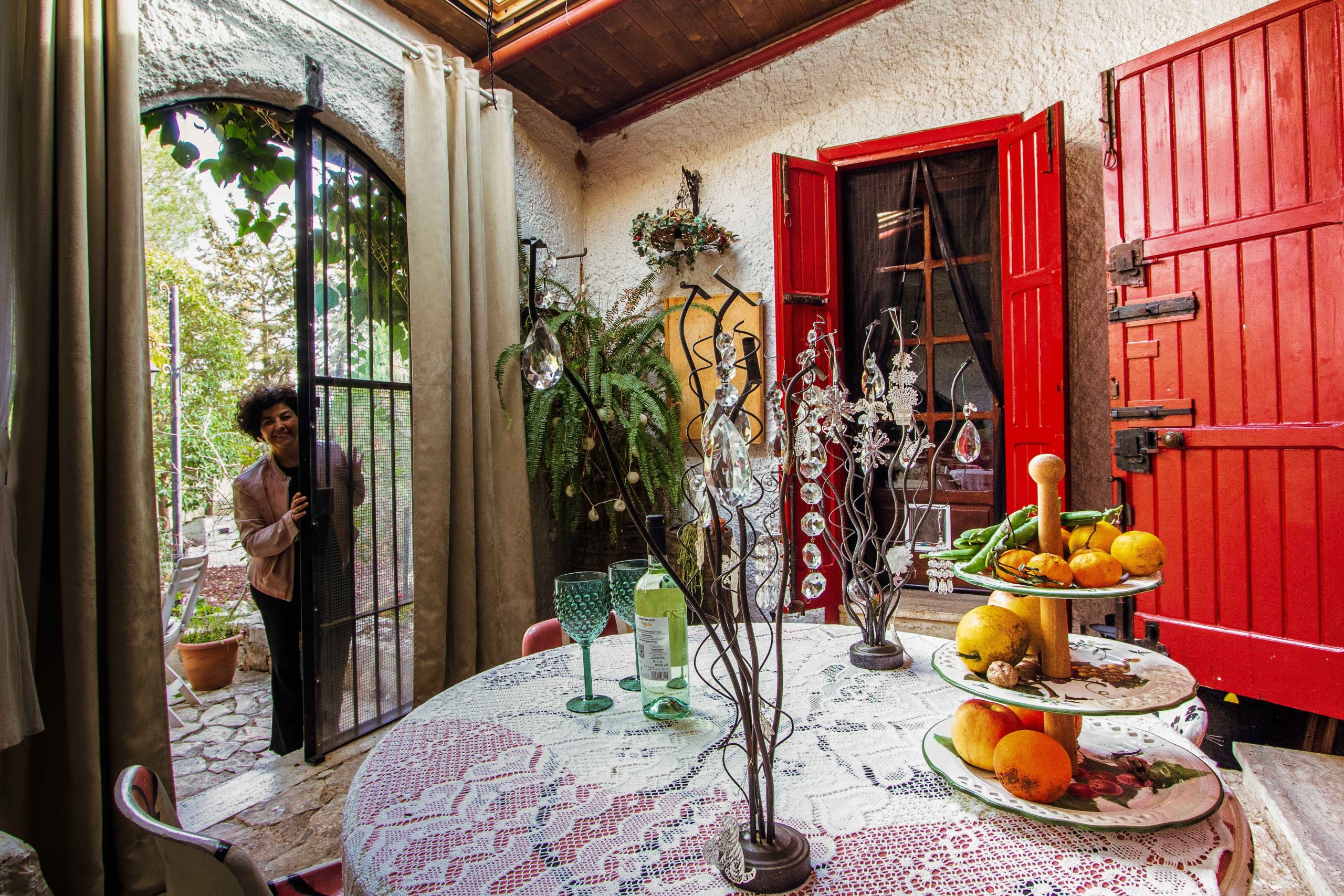
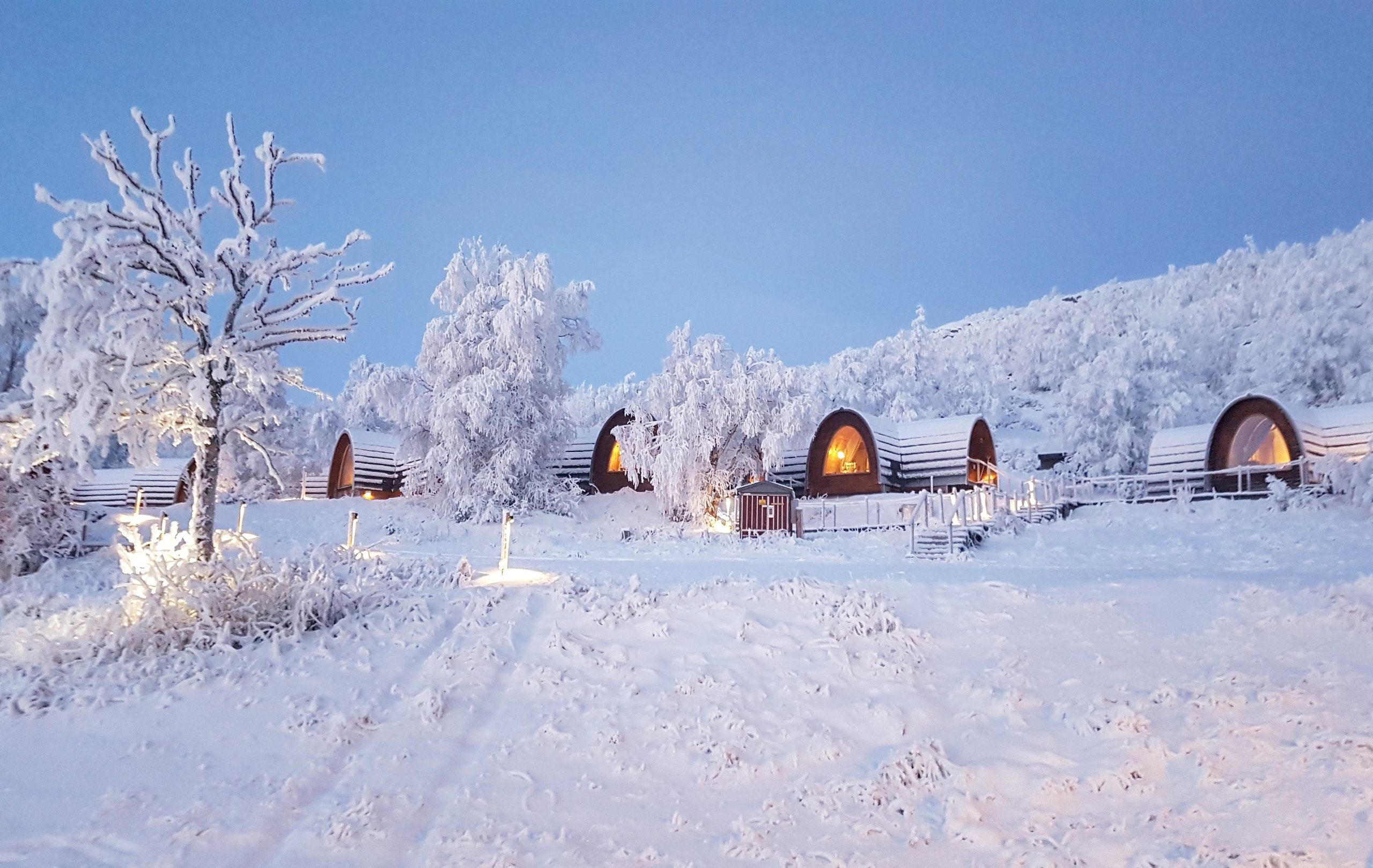
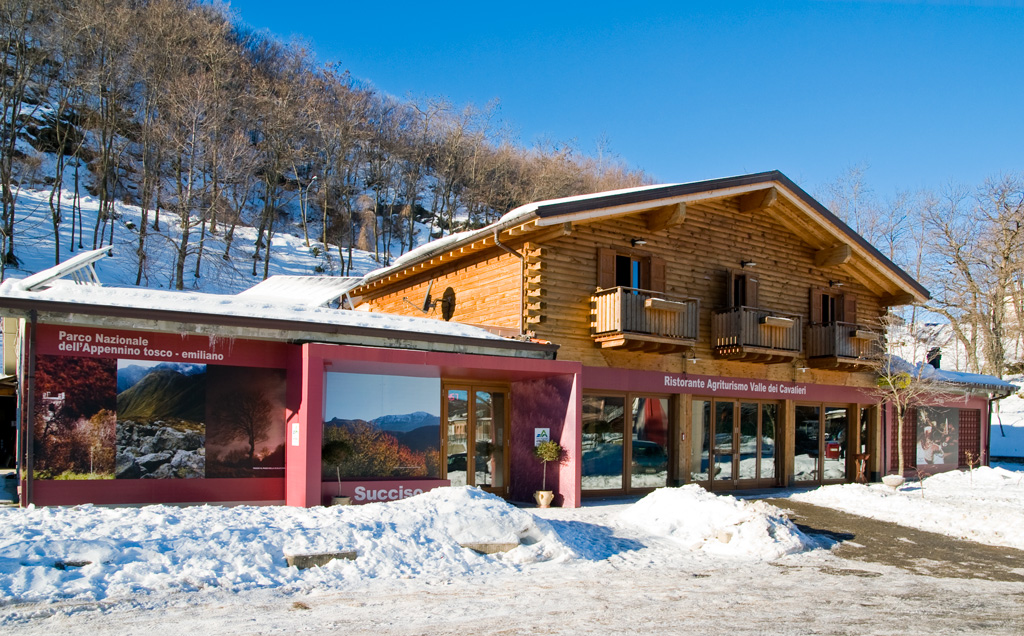
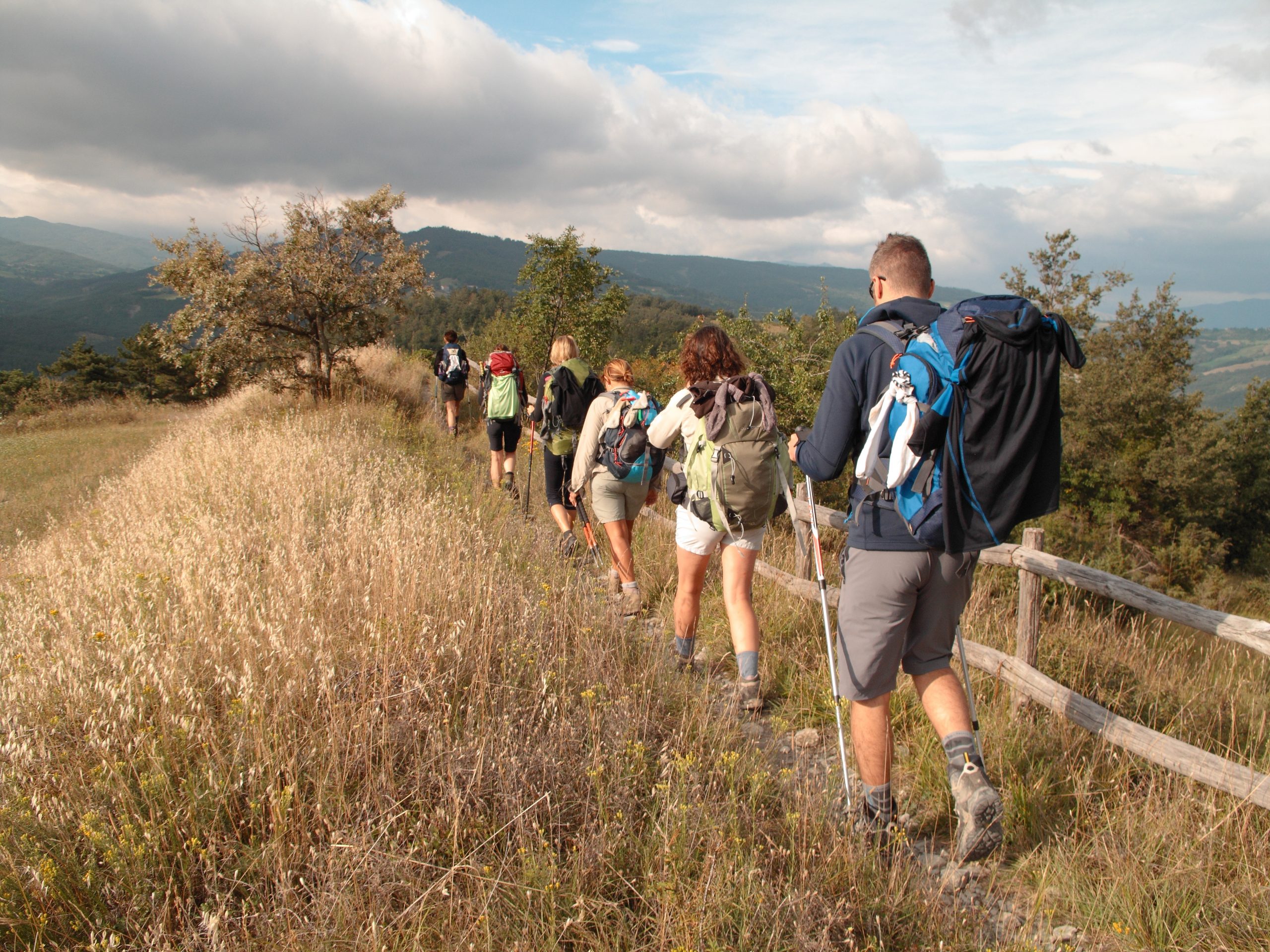
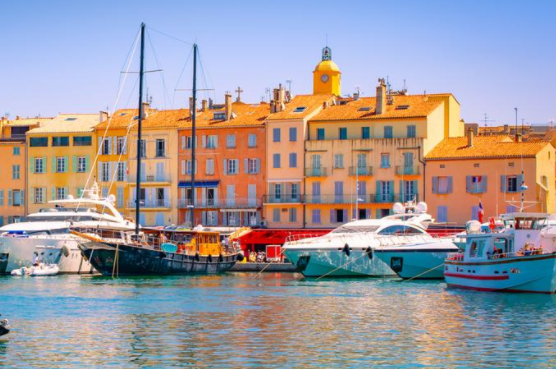
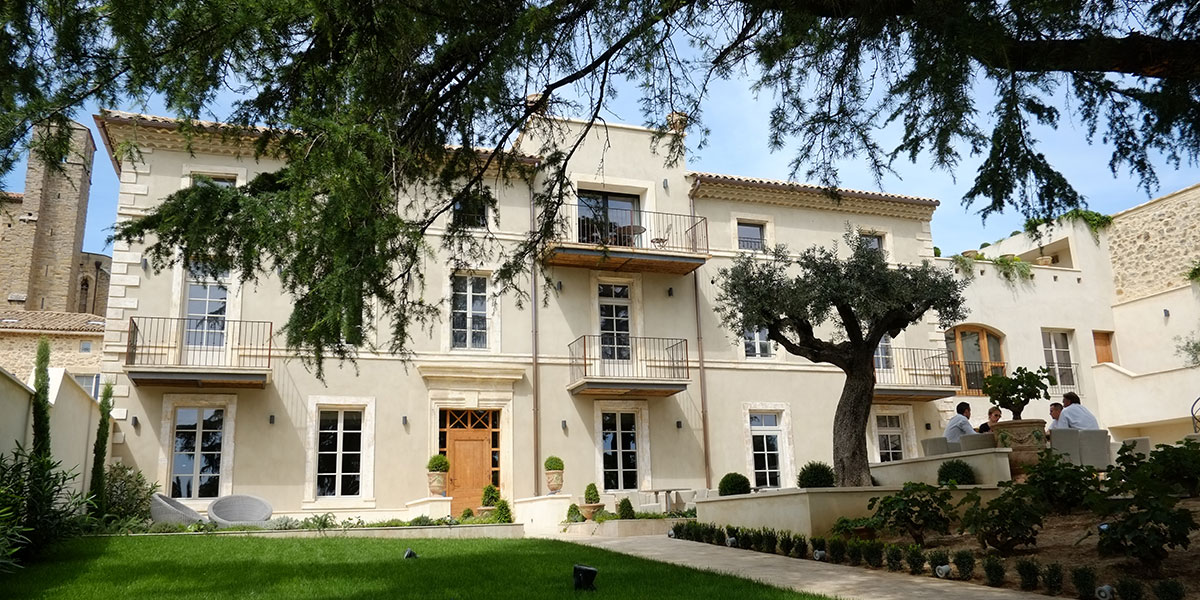
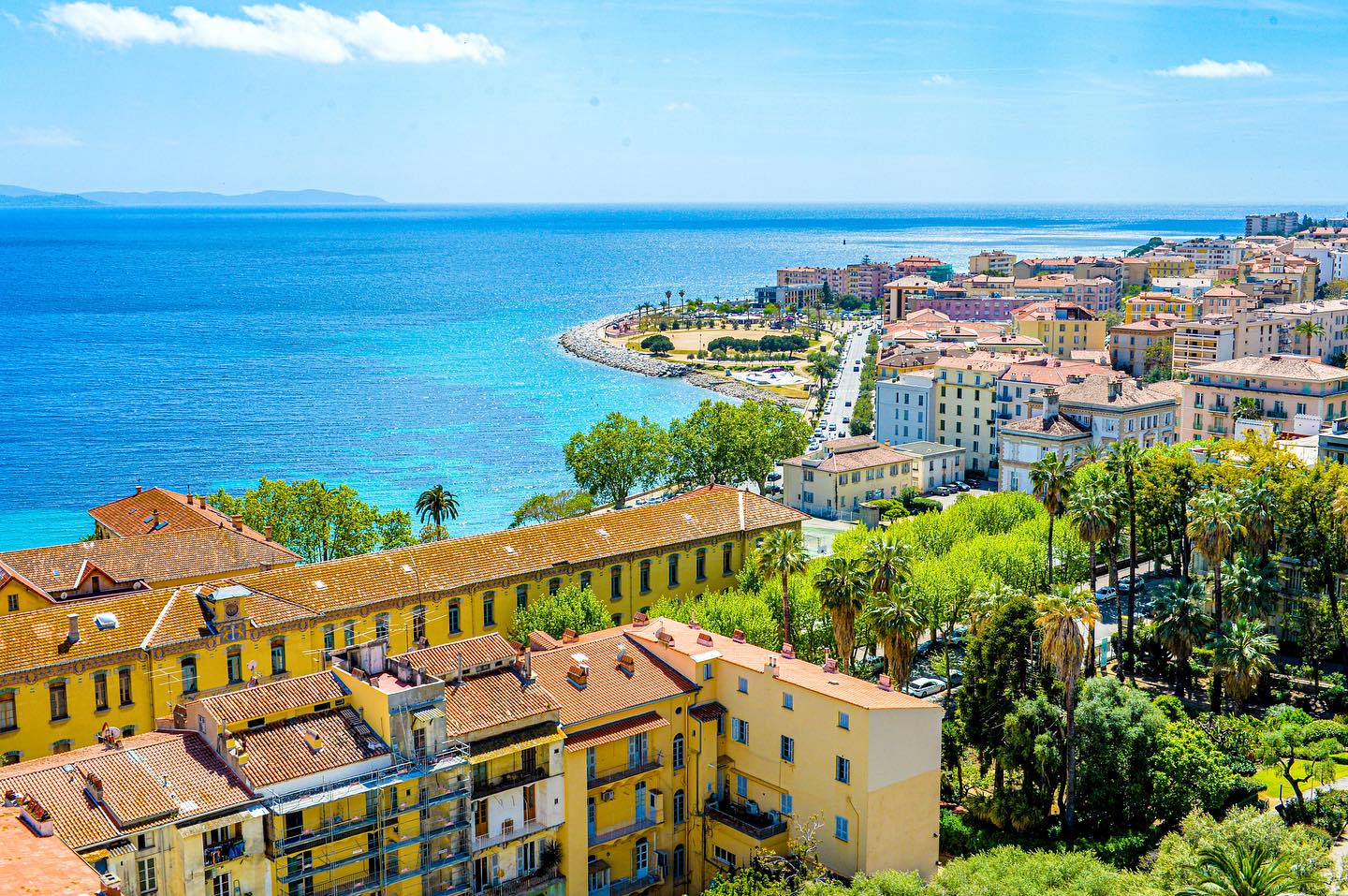
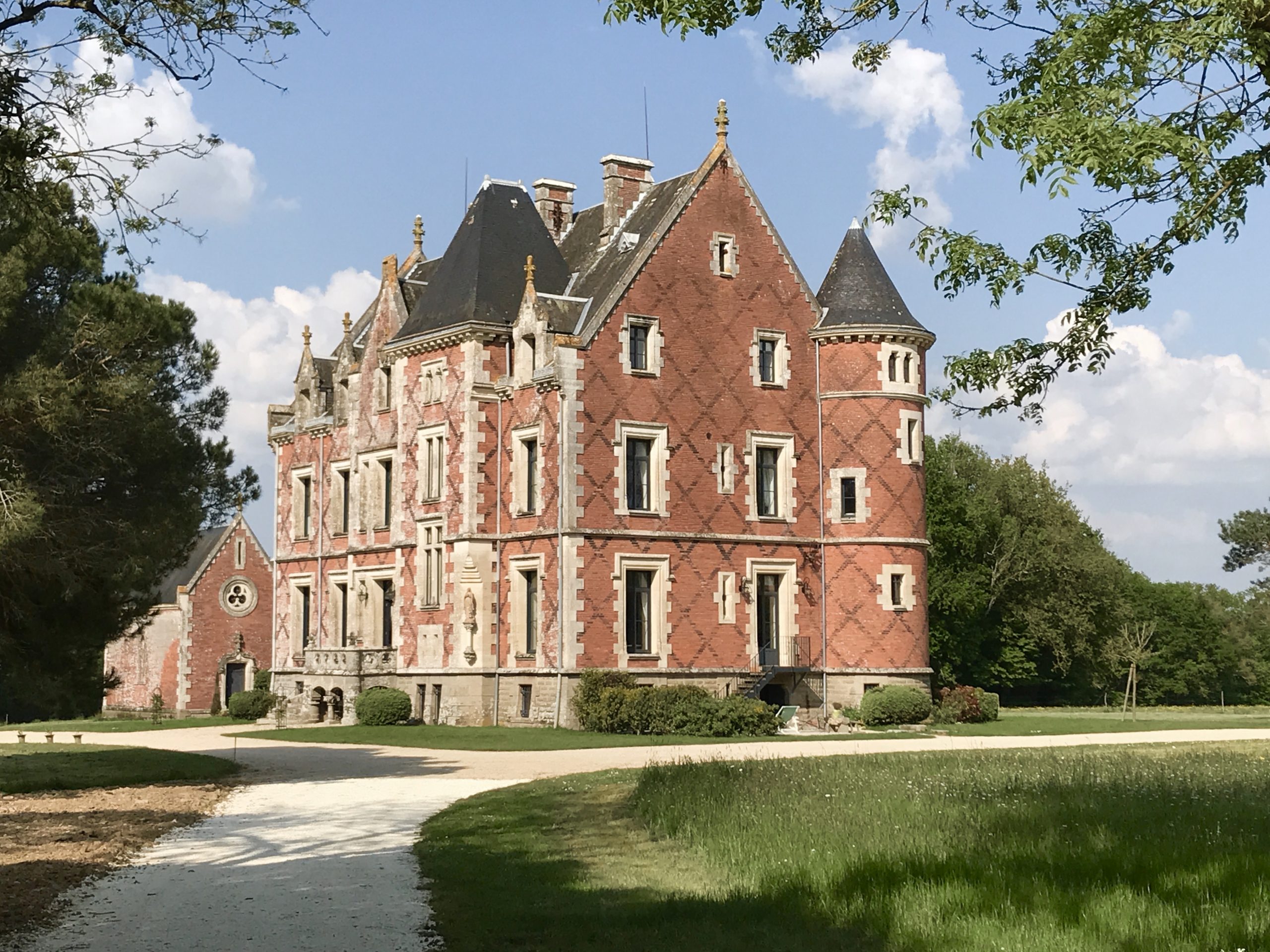
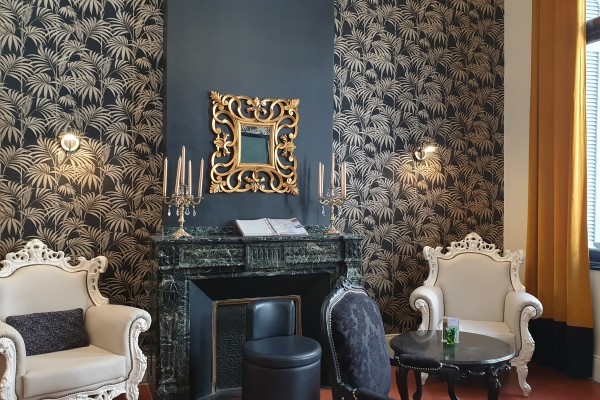
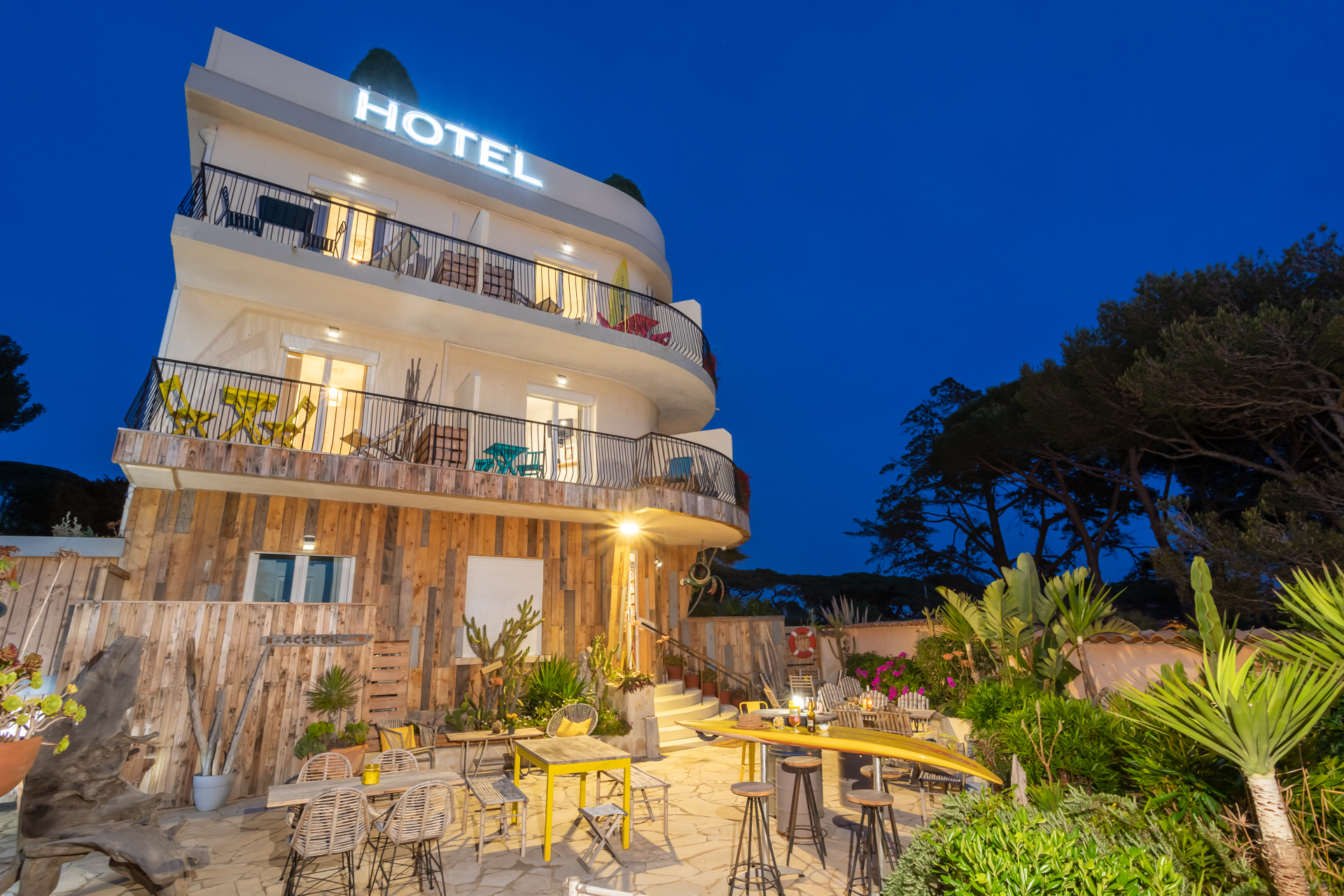
Inspiration from a diversity of actors and territories across Europe
FIRST MILE Toolkit
Concrete levers to drive behavior change and improve the sustainability of tourism.
Developed from several years of applied research, field testing, and European collaboration, the FIRST MILE toolkit provides tourism and hospitality businesses with a set of practical solutions to improve their sustainability performance.
An operational tool grounded in behavioral science, the toolkit notably offers:
- Behavior change tactics tested in real-world conditions
- Easy-to-implement actions that are low-cost and deliver rapid impact
- Practical recommendations, concrete examples, and evaluation methods
- An approach centered on guest experience, operational efficiency, and environmental performance
FIRST MILE thus represents an accessible first step toward a sustainable transition in tourism, prioritizing solutions that can be activated immediately while laying the groundwork for more ambitious long-term transformations.
Improve waste management
Encourage “leave no trace” behaviour by presenting it as a social norm
Smart-use energy
Set room temperature to an optimal default
Smart-use water
Regulate the water temperature of showers
Reduce single-use plastic
Remind guests to bring a reusable bottle and a shopping bag
Reduce food waste
Activate top-of-mind awareness at buffets
Improve visitor flow management
Make less-visited places/experiences irresistible with amazing descriptions
Promote local food
Create a special section in the menu
Smart mobility
Promote walking and public transport by making them very easy
Find out more about the FirstMile project
Tourism SMEs represent 76% of EU tourism employment, playing a decisive role in the sector’s environmental footprint. At the same time, travel and tourism account for 8.8% of global greenhouse gas emissions, with growing pressure for accountability and action.
As the First Mile project demonstrates, small, well-designed changes can trigger significant shifts in behaviour, resource use, and business performance.
FIRST MILE is a first, accessible step towards a sustainable transition in tourism, prioritizing solutions that can be implemented immediately while paving the way for more ambitious long-term transformations.